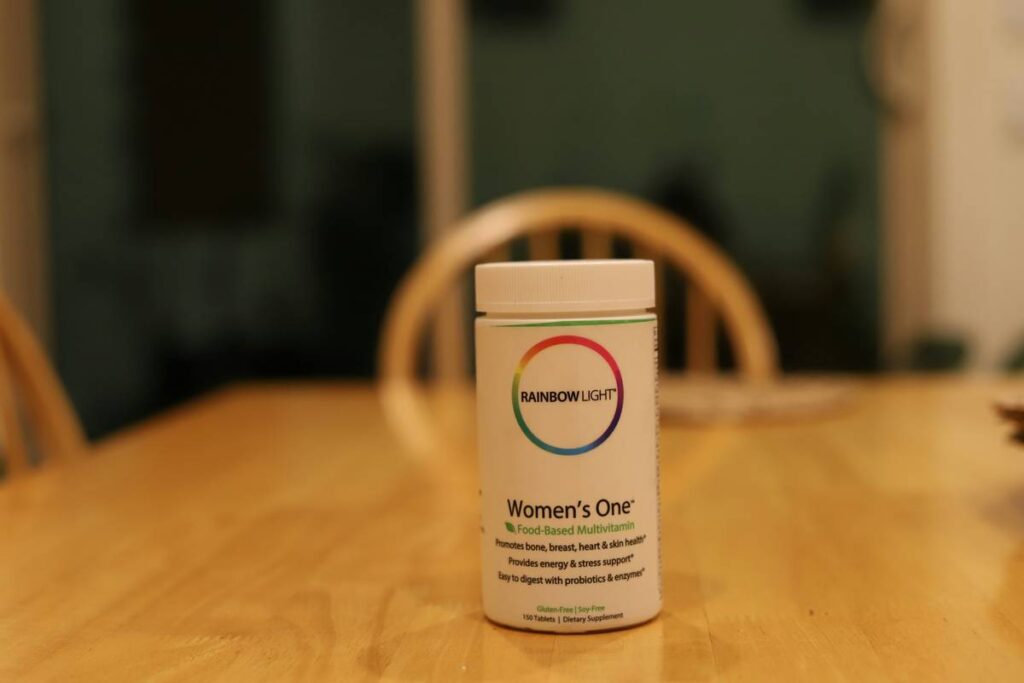
If you’re trying to conceive or already expecting, you’ve probably heard the phrase “take your prenatal vitamins” more times than you can count. But what if you’re taking them wrong—or worse, not getting the prenatal vitamins health benefits you were promised? I learned this the hard way during my first pregnancy when I assumed all prenatals were created equal. Spoiler: they’re not. After weeks of fatigue and hair thinning, my OB-GYN pointed out that my cheap, over-the-counter brand was missing key nutrients like methylated folate. That moment changed everything.
Table of Contents
- Why Prenatal Vitamins Matter for You and Baby
- How to Choose and Take Prenatals Like a Pro
- Best Practices for Maximum Benefit
- Real Results from Smart Supplementation
- Frequently Asked Questions
Key Takeaways
- Folic acid (or its active form, methylfolate) is non-negotiable—400–800 mcg daily prevents neural tube defects.
- Not all prenatal formulas contain iron, DHA, or iodine in sufficient amounts—always read labels.
- Taking prenatals with food boosts absorption and reduces nausea.
- The prenatal vitamins health benefits extend beyond baby’s development—they support maternal energy, immunity, and mood.
- Avoid “one-size-fits-all” supplements; tailor your choice to your diet, genetics, and health history.
Why Prenatal Vitamins Matter for You and Baby
During pregnancy, your body’s nutritional demands skyrocket. Even with a perfect diet, it’s nearly impossible to get all essential micronutrients from food alone. That’s where prenatal vitamins step in—not as a replacement for whole foods, but as a safety net. The prenatal vitamins health benefits are well-documented: they reduce the risk of preterm birth, low birth weight, and congenital anomalies, particularly when started before conception.
According to the Centers for Disease Control and Prevention (CDC), neural tube defects—a serious birth defect of the brain and spine—can be reduced by up to 70% when women consume adequate folic acid before and during early pregnancy (CDC, Folic Acid Recommendations). Yet nearly half of pregnancies in the U.S. are unplanned, meaning many miss this critical window. That’s why experts recommend that anyone with reproductive potential consider daily prenatal supplementation—not just those actively trying.
How to Choose and Take Prenatals Like a Pro
Check the Core Nutrients
Your prenatal should contain at minimum: 400–800 mcg folate (preferably as L-methylfolate), 27 mg iron, 200–300 mg DHA, 150 mcg iodine, and 600–800 IU vitamin D. If it’s missing any of these, keep looking.
Time It Right
Take your prenatal with a meal containing healthy fats (like avocado or nuts)—this enhances absorption of fat-soluble vitamins (A, D, E, K). And never take it on an empty stomach unless you enjoy morning sickness round two.
Beware of Overhyped Add-Ons
Some brands cram in collagen, probiotics, or herbal blends for marketing flair. While not harmful, they often dilute space needed for evidence-backed essentials. Stick to science, not sparkle.
Best Practices for Maximum Benefit
- Start before conception: Begin at least one month prior to trying to conceive for optimal neural development.
- Ditch the gummies (usually): Most prenatal gummies lack iron and iodine due to taste and stability issues—critical omissions.
- Pair with diet: Eat iron-rich foods (lentils, spinach) with vitamin C sources (bell peppers, citrus) to boost absorption.
- Track your tolerance: If nausea worsens, try taking your pill at bedtime or splitting the dose.
- Avoid this terrible tip: “Just take a regular multivitamin.” Nope. Regular multis don’t meet pregnancy-specific nutrient thresholds—especially for folate and iron.
Real Results from Smart Supplementation
In a 2022 study published in The American Journal of Clinical Nutrition, women who took high-quality prenatal vitamins containing DHA and methylfolate showed significantly lower rates of postpartum depression and higher newborn Apgar scores compared to those on basic formulations. One participant, Maria R., shared with us: “Switching to a prenatal with real DHA and no artificial fillers made my second pregnancy so different—I had steady energy, less swelling, and my baby hit every milestone early.”
This isn’t magic—it’s nutrition science. The prenatal vitamins health benefits compound over time, supporting both fetal programming and maternal resilience. And while genetics play a role, consistent, informed supplementation gives you powerful control over outcomes.
We’re passionate about empowering families with trustworthy guidance—which is why we transparently share our sourcing standards on our About Us page.
Frequently Asked Questions
Can I take prenatal vitamins if I’m not pregnant?
Yes—if you’re of reproductive age and not using permanent contraception, daily prenatal supplementation is recommended by the CDC to ensure readiness for potential pregnancy.
Do prenatal vitamins cause weight gain?
No. They contain no calories. Any perceived weight gain is likely due to pregnancy itself or water retention from increased iron intake.
What if I forget to take my prenatal vitamin?
Don’t double up—it can cause nausea or constipation. Just resume your normal dose the next day.
Are prescription prenatals better than OTC?
Not necessarily. Many high-quality over-the-counter brands (like those third-party tested by NSF or USP) match or exceed prescription formulas. Always compare labels.
When should I stop taking prenatal vitamins?
Most providers recommend continuing through breastfeeding, as nutrients like DHA and iodine support infant brain development via breast milk.
Conclusion
The prenatal vitamins health benefits go far beyond preventing birth defects—they fuel your strength, clarity, and connection during one of life’s most transformative chapters. Don’t gamble with guesswork. Choose wisely, start early, and trust your body’s wisdom. Ready to find your perfect match? We’d love to help—reach out anytime via our Contact Us page. And remember: your health journey is personal, private, and protected—see how in our Privacy Policy.
One last thought: A healthy baby begins with a nourished you—not a perfect label, but a thoughtful choice, taken one day at a time.