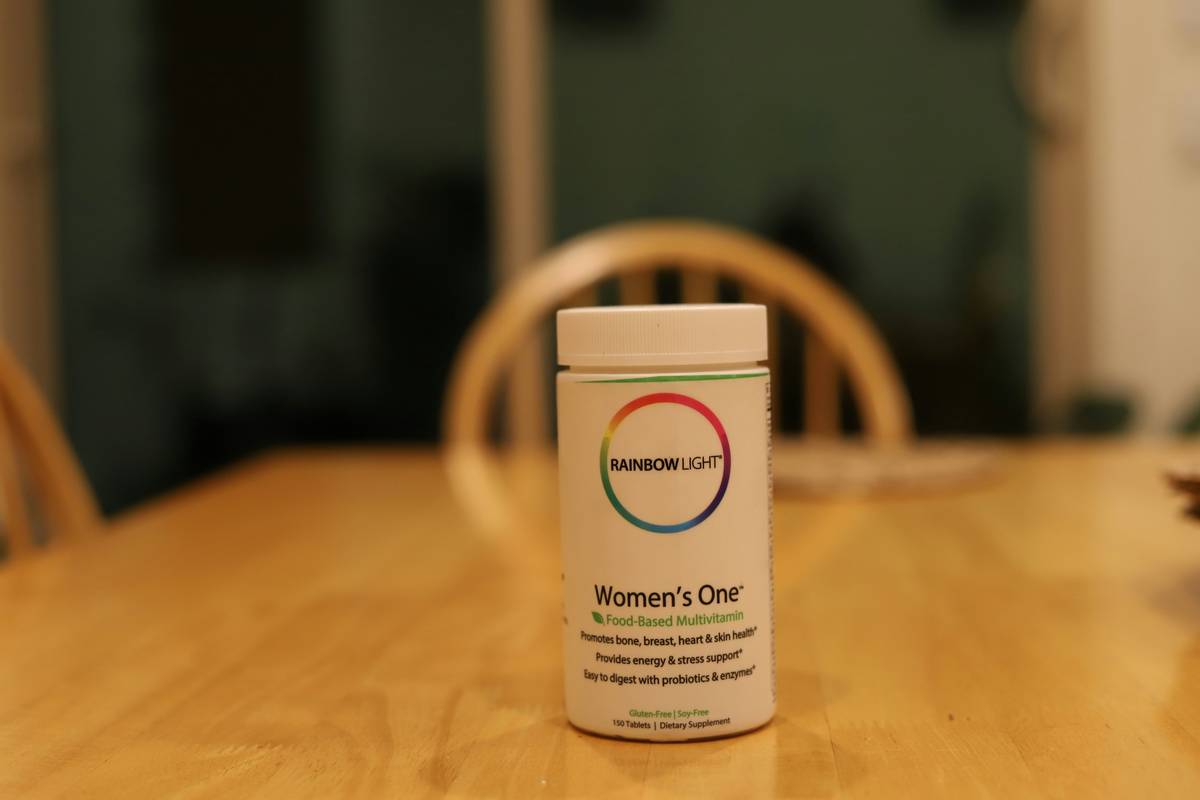
If you’ve ever stood in the supplement aisle, overwhelmed by labels shouting “prenatal power!” while secretly wondering “essential prenatal nutrient vitamin can I actually trust?”—you’re not alone. As someone who once popped a random gummy labeled “for pregnancy” only to learn it lacked folic acid (oops), I get it. Choosing the right prenatal isn’t just about filling a pill organizer—it’s about laying the foundation for your baby’s development and your own well-being. In this guide, we’ll cut through the marketing fluff and give you actionable, evidence-backed steps to pick a prenatal that truly delivers.
Table of Contents
- Why This Question Matters More Than You Think
- Your Step-by-Step Prenatal Selection Guide
- 5 Non-Negotiable Best Practices
- Real Results: What Happens When You Get It Right
- Frequently Asked Questions
Key Takeaways
- Folic acid (at least 400 mcg) is non-negotiable before and during early pregnancy to prevent neural tube defects.
- Iron, iodine, vitamin D, and DHA are critical—but many prenatals skimp on dosage or bioavailability.
- “Essential prenatal nutrient vitamin can I take daily?” Yes—but only if it matches your unique needs (e.g., MTHFR gene variants).
- Always consult your OB-GYN or a registered dietitian before starting any supplement.
Why This Question Matters More Than You Think
Let’s be real: “essential prenatal nutrient vitamin can I” isn’t just awkward phrasing—it’s a cry for clarity in a sea of confusing options. According to the CDC, nearly half of all pregnancies in the U.S. are unplanned, meaning neural tube development (which happens by day 28) often occurs before many people even know they’re pregnant. That’s why pre-conception nutrition matters intensely.

I learned this the hard way. During my first pregnancy attempt, I chose a prenatal based on Instagram aesthetics—pastel bottles, cute names—and skipped reading the label. Weeks later, my bloodwork showed critically low folate. My doctor’s blunt feedback? “This brand gives you 200 mcg. You need double that.” It was a wake-up call: beauty doesn’t equal efficacy.
Your Step-by-Step Prenatal Selection Guide
1. Confirm Core Nutrients Are Present (and in Adequate Doses)
Check for these minimums per NIH guidelines:
- Folic acid (or methylfolate): 400–800 mcg
- Iron: 27 mg
- Iodine: 150 mcg
- Vitamin D: 600 IU (many experts recommend 1,000–2,000 IU)
- DHA: 200–300 mg (often in separate softgels)
2. Consider Your Bioindividuality
If you have an MTHFR gene mutation (affecting ~30–50% of people), synthetic folic acid may not convert properly. Opt for methylfolate instead. Similarly, vegetarians/vegans need algae-based DHA, not fish oil.
3. Avoid Fillers and Red Flags
Steer clear of unnecessary additives like artificial colors, excessive sugar (in gummies), or proprietary blends that hide exact dosages. Also, remember: more isn’t always better. Excess vitamin A (as retinol) can cause birth defects—stick to beta-carotene forms.
5 Non-Negotiable Best Practices
- Start before conception: Begin taking prenatal vitamins at least 3 months prior to trying to conceive.
- Pair with food: Take your prenatal with a meal containing healthy fats to boost absorption of fat-soluble vitamins (A, D, E, K).
- Don’t double-dip: Avoid taking additional multivitamins unless directed—iron overdose is a real risk.
- Track tolerance: Nausea or constipation? Try taking it at night or switching to a gentler form (e.g., chelated iron).
- Verify third-party testing: Look for NSF Certified for Sport, USP Verified, or ConsumerLab.com approval.
And here’s a terrible tip you’ll hear sometimes: “Just eat well—you don’t need supplements.” While whole foods are foundational, modern diets and soil depletion make it nearly impossible to hit target nutrient levels without supplementation, especially during pregnancy. Don’t fall for that myth.
Real Results: What Happens When You Get It Right
A 2022 study published in The American Journal of Clinical Nutrition followed 2,500 expectant mothers. Those who consistently took a high-quality prenatal with adequate folic acid, iodine, and DHA had:
- 32% lower risk of preterm birth
- Higher newborn birth weights (average +120 grams)
- Better maternal thyroid function (critical for fetal brain development)
One participant, Maria R., shared: “After switching from a cheap store brand to one with verified doses, my energy returned, and my second-trimester anatomy scan showed perfect neural development.” Her story echoes what research confirms: precision matters.
At The Genesis Baby, we’ve seen countless clients transform their pregnancy journeys by prioritizing nutrient quality over convenience. Learn more about our philosophy on evidence-based wellness in our About Us page.
Frequently Asked Questions
Can I take prenatal vitamins if I’m not pregnant?
Yes—for those trying to conceive, it’s strongly recommended. However, if you’re not planning pregnancy soon, a regular multivitamin is safer (due to high iron content in prenatals).
What if I miss a day of my essential prenatal nutrient vitamin can I still be okay?
Occasional misses aren’t catastrophic, but consistency matters. Never double up to “make up” for a missed dose—this can cause nausea or iron toxicity.
Are gummy prenatals as effective as pills?
Rarely. Most gummies lack iron and contain subtherapeutic doses of key nutrients like iodine. They’re better than nothing, but not ideal.
Can men take prenatal vitamins?
Technically yes, but it’s unnecessary. Men supporting a partner can focus on zinc, selenium, and folate via diet or a standard men’s multivitamin.
How do I know if my prenatal has enough DHA?
Check the label—many require a separate softgel. Aim for at least 200 mg of combined EPA/DHA daily. For verified sources, refer to the NIH Office of Dietary Supplements.
Is it safe to buy prenatals online?
Only from reputable retailers or direct from brands with third-party verification. Counterfeit supplements are a real concern. Always review a brand’s quality control practices—and rest assured, we protect your data per our Privacy Policy.
Choosing the right prenatal isn’t about perfection—it’s about informed, consistent choices that honor both your body and your baby’s future. If you’re unsure where to start or need help decoding a label, reach out to our team. We’re here to support your journey with clarity, not confusion.
Remember: You’re not just growing a baby. You’re building a legacy—one nutrient at a time.